

Close
Achieve your online revenue goals with a healthy return on investment through expert campaign generation, management, and optimization by our team. Our Google Ads account management services ensure success for businesses of all kinds (professional services, home services, e-commerce, B2B, B2C, non-profits, etc).









The above services and more that we offer are personalized to meet your needs and ensure your goals are met, while making sure you're aware at all times of the progress of your Google Ads campaigns. At every point during a Google Ads campaign, we ensure you're always aware of how our management services are helping your business maximize its return on investment.
There are a ton of great reasons why our team of experts are the right choice for your Google Ads account management services needs. However, we know your time is important, so we'll get right to the point.
Our professional management team has the expertise to create, manage, and optimize your Google Ads campaigns effectively, efficiently, and dynamically. Yes, that's a lot of bold claims, but our solutions and success rates back them up. So do our satisfied clients. Our in-house knowledge of researching keywords, creating ad copy, and managing bids will achieve the best tailored results for your needs.
Managing Google Ads campaigns is a time-consuming endeavor. Even more so if you have a business to run at the same time. By choosing Marketing-Jive as your management service, you'll be freeing up the valuable time you would have been spending on your Google Ads campaign and can instead focus on other aspects of your business. Let us handle this so you don't have to.
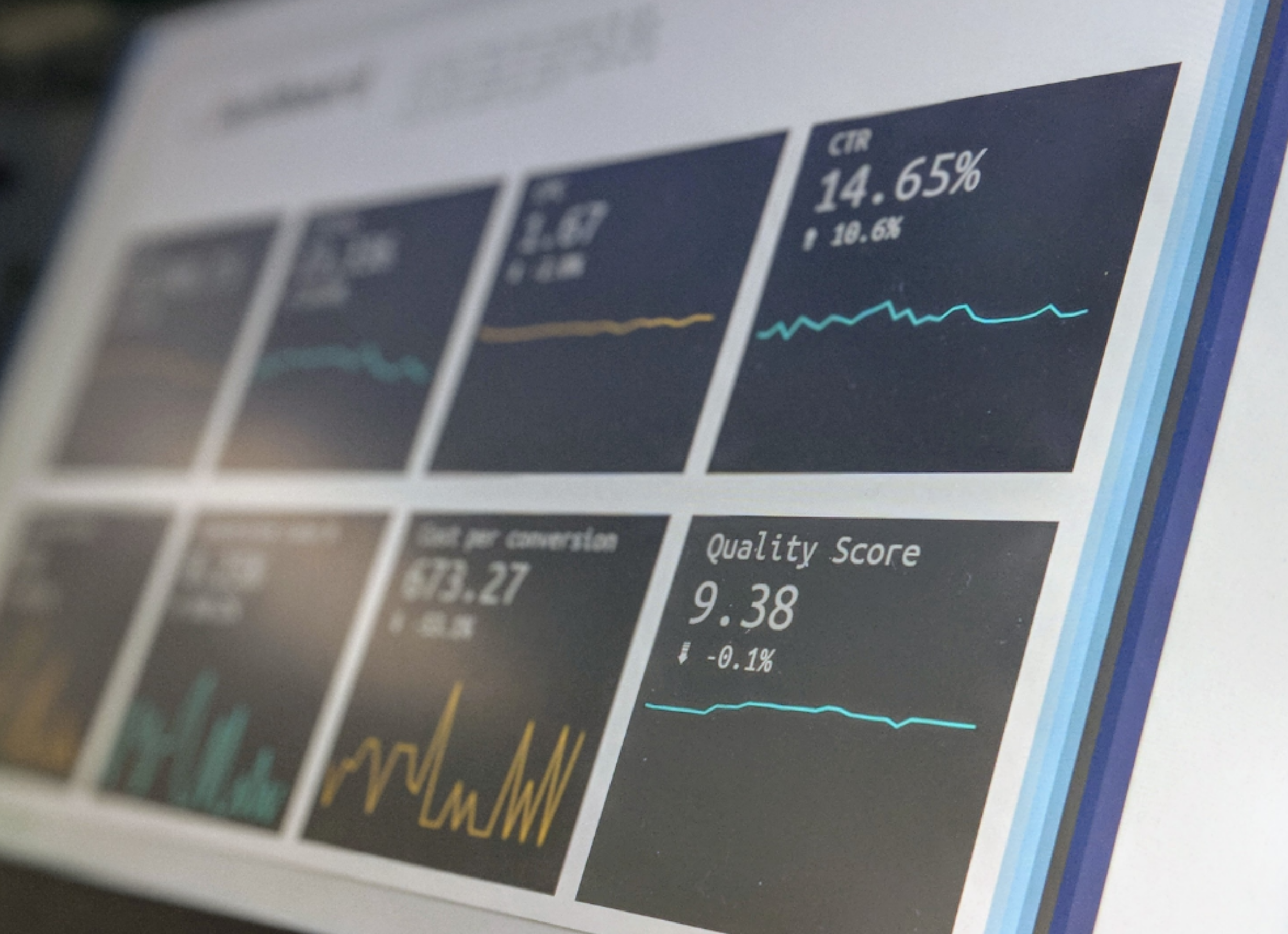
Even though we're saving you a lot of time to focus on other aspects of your business, we'll still be providing you with consistent, real-time data that will help you track the performance of our managed services. In other words, you'll always have a measurable snapshot of your ROI.
By choosing Marketing-Jive to be your Google Ads account manager, you'll avoid mistakes that can happen when managing such processes on your own. Our experts will also help in any way possible to optimize your investment while getting the most out of your budget. In addition, by hiring us to do the work for you, you'll save money compared to hiring or assigning employees to do the same work without the expertise we bring to the table.
As a customer, the main thing you want to avoid is feeling like you're not getting the attention you or your operation deserves. With Marketing-Jive, you'll find a Google Ads management company that treats each of its clients as if they're the only client. That means constant, effective lines of communication will always be open and your service will be personalized to meet your needs.
Formerly known as Google AdWords, Google Ads is an online advertising platform developed by, you guessed it, Google. It allows companies to generate and run ads on Google's Search Engine Results Pages (SERPs), in addition to other websites that are part of Google's Display Network.
Google Ads uses a pay-per-click (PPC) model. This means you only pay when a user clicks on your ad. PPC allows for easier budgeting and cost control.
The types of ads that can be run include search, video, display, and shopping ads.
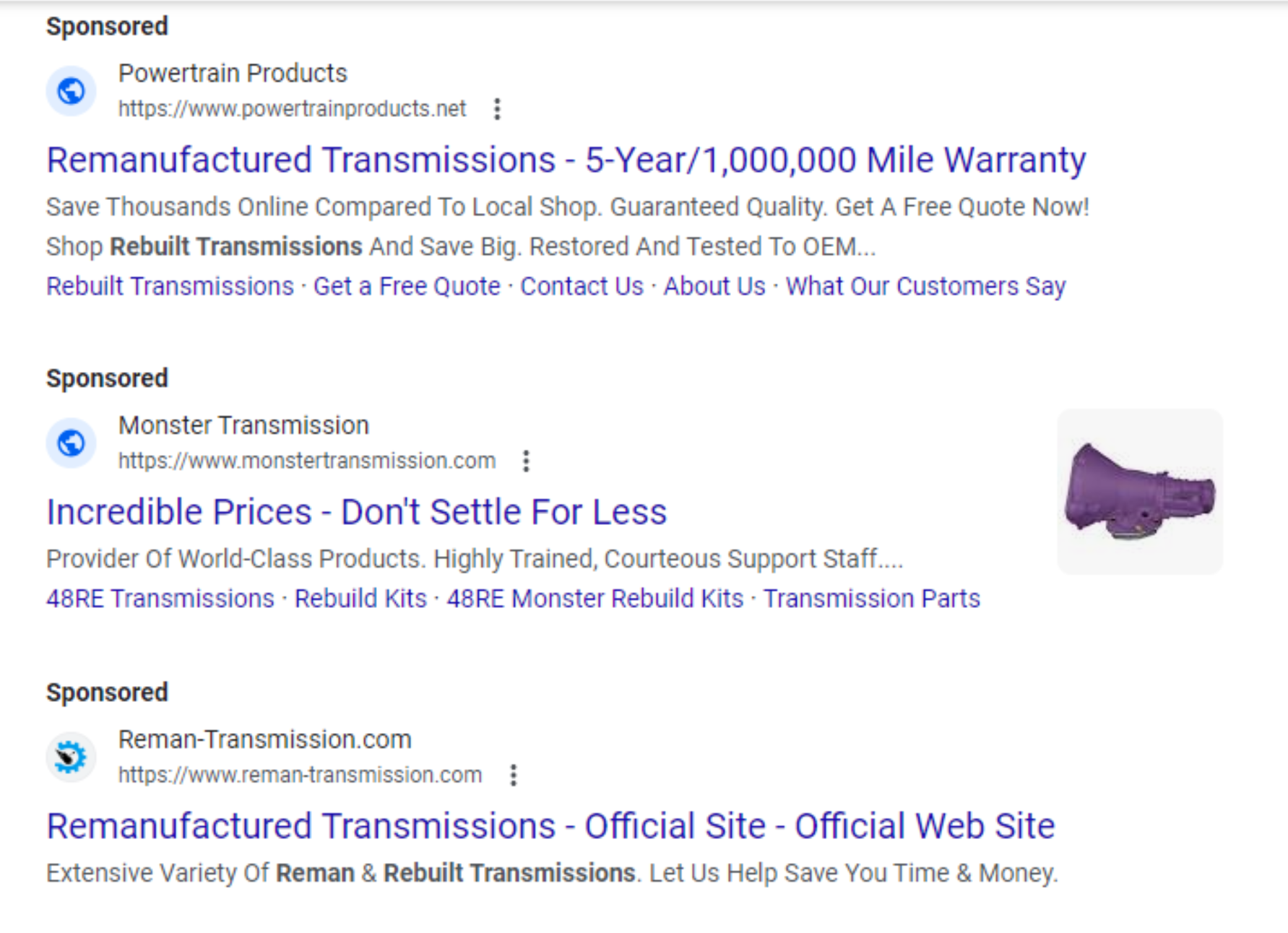
Text advertisements appear at the top of Google's SERPs. Appear based on keywords used in searches.
Banner ads appear on websites across the internet. Limited to websites that are part of Google's Display Network.

These can be run on YouTube and other Google video partners. They don't run on Facebook, though.
These feature a store's name and location, prices, and product images.
Google Ads also allows us to target specific demographics and interests. This makes it possible for the right ad to be seen by the target audience with the right message all the time.
As a business owner or manager, you need to be aware of why Google Ads is important. Understanding how Google Ads works and why it's important will also make it easier to understand how it will not only benefit but improve your revenue. We've already covered how Google Ads work. Now let's get into more detail on why Google Ads campaigns work and why, by working with us, you'll see your revenue improve and grow.
By displaying your ads at the top of SERPs and other websites within Google's Display Network, Google Ads allows you to reach a wider audience.
Cost-effective is a term you've already heard mentioned and will continue to hear because it can't be emphasized enough. The fact Google Ads allows companies to set a budget for their campaigns and only pay when users click on their ad (PPC) is incredible all by itself. Add the fact that it's also a cost-effective way to push desired traffic to your website makes it worth the investment almost all on its own.
Use data to target user interests, demographics, and behaviors to make sure your ads are seen by potential customers likely to use your services.
Again, like the other benefits above, we can't mention things like measurable results enough. You'll get up-to-date data that shows you the performance of your campaign and whether adjustments need to be made and why.
Google Ads allows businesses to change their ads, targeting, and bids any time. This allows you to adjust your marketing strategy and goals based on the results you see.
The Google Ads campaign we put together for your business will take advantage of all of the above to ensure your ROI surpasses all expectations.
There are a bunch of things that go into creating and managing effective Google Ads campaigns. Chief among those are three critical components: keyword research, ad copywriting, and bid management.
We make sure your ads are seen by the most appropriate audience. We do this by researching and applying the right keywords. This will lead to higher click-through rates and more conversions.
Click-through rate (CTR) is a metric that measures how many clicks an ad or link receives compared to the number of times it's viewed. The higher the CTR, the more relevant to the audience the ad is.
Conversions mark the completion of the desired act of the ad. In other words, either the ad resulted in a purchase or someone signing up for something, etc. More conversions mean the campaign is converting visitors into leads or customers.
It's important to note that a high CTR means your PPC will also be higher. To see your ROI grow, conversion rates also have to be high.
Effective copywriting incorporates keywords into attention-grabbing content. The compelling copy we design for you will improve your CTR and drive relevant traffic to your home website. We do this by communicating the value of the advertised product or service to the target audience.
Some ways our ad copy grabs the attention of the audience include:
These points and more help to increase the likelihood that the target audience will click on the ad and visit the home website to sign-up or make a purchase.
Our management team ensures your ads are shown to the right audience all the time and make the necessary adjustments without delay. We also ensure that you aren't overspending. We accomplish this by audience targeting, bid optimization, and budget automation.
Our tools allow us to specify the demographics, behaviors, and interests of the people your business wants to reach.
Our tools use algorithms to optimize the bids so that they focus on the right audiences, placement locations, and times of day that are most likely to convert those interested.
Our tools can also be set to automatically adjust bids based on the budget allocated for the campaign. This prevents overspending and maintains budget discipline.
It should be noted that bid management optimization is not the same as Search Engine Optimization (SEO). SEO focuses on improving a website's organic search coverage, like local SEO areas. Bid management optimization, on the other hand, is solely focused on improving the performance of paid advertising.
By having Marketing-Jive's knowledge to research and utilize effective keywords, create compelling ad copy, and manage bids, you will achieve the ultimate results from your Google Ads campaigns. Together, we'll do this by reaching the targeted audience with the right message all of the time, while also avoiding breaking the budget. The end results will be increased website traffic, new conversions and customers, and a healthy return on investment every month.
Optimized paid search landing pages maybe a mouthful to say, but they’re also essential for achieving the best results from your Google Ads campaign. To put it another way, once the potential customer clicks on the ad you’re paying for (PPC), you want to close the deal once they land on your page. To close that deal, or convert that person into an actual paying customer, you need a landing page that delivers on the promise of the ad that brought them there. In return, you’ll see your sales or leads rise.
Our team will ensure your landing page is optimized to provide a great user experience. We’ll do this by making sure the page:
All together, your optimized landing page will provide a clear and relevant message while making it easy for users to convert. This will result in a higher conversion rate, potentially lower PPC, and a better ROI with increased sales.
Good for budgets $500 to $6000/ month
Good for budgets up to $20,000/ month
Good for budgets up to $50,000/ month
In a hurry? give us a call now at 844-431-4177
If you have a Google Ads budget of more than $50K a month, please schedule a call with a
member of our sales team for a custom quote.
Includes: Creating or linking to your Google Ads account, keyword research, all ad copywriting, ad extensions, and addition of our initial negative keyword list we developed with our over ten years of experience.
Includes: Adjusting keyword bids, bid management strategies, keyword matching, managing negative keywords, reviewing search terms for new keywords and negatives, mobile/desktop ratio optimization and bid adjustments, geo-targeting adjustments, ad Extension adjustments, ad copy optimization, and A/B testing ads for higher response rates.
Once you've decided to go with us for your Google management service, our team will get to work immediately. Below is a snapshot of what you can expect.
Our team will meet with you to get a better understanding of your business goals, your target audience, and discuss an appropriate spending plan.
We'll then conduct research on our part to confirm the target audience, make adjustments to the audience if needed, and research the market to develop a comprehensive strategy. This method will include researching keywords, confirming target demographics, and selecting the most effective ad formats.
At this point, our team will create a digital advertising campaign, including writing copy that will appeal to the reader, as well as creating any other creative content. We'll also set up final targeting goals, bidding, and budgeting. Lastly, if there's something you don't agree with, this is when to request creative changes.
Our team will provide data-driven reports and analysis of the campaign's performance on a regular basis. These will also include recommendations to improve the campaign's performance.
We'll launch the digital campaign and monitor its performance. We'll also make adjustments when needed. This will ensure performance optimization of the campaign through the process.
We'll continue to monitor the digital campaign and identify areas to optimize performance. This will ensure your Google Ads campaign is reaching your targeted audience and achieving the result you're looking for, if not more.
Our team will maintain open and regular communication with your business, providing updates on the campaign's performance. We'll also address any concerns or questions you may have whenever they occur.
Google Ads also allows us to target specific demographics and interests. This makes it possible for the right ad to be seen by the target audience with the right message all the time.
Our Google Ads team employs effective management strategies that ensure our Google Ads services for businesses like yours help increase your revenue while saving money. We do this in several ways, such as:
Identifying the right audience, local or nationwide, reduces the number of meaningless clicks and impressions. This can lower the overall cost of the campaign by reducing fruitless PPC expenditures.
By monitoring a campaign's performance on a regular basis and making adjustments when needed, we're able to avoid the costs of things like underperforming keywords.
Display ads that are highly relevant to the target audience increase the potential for that audience member to become a customer. Again, this will reduce fruitless PPC expenditures, while increasing conversion rates in the long-term.
Our team will solve problems as they arise within any campaign, such as poor performance, shift strategies as necessary, and prevent any overspending before it happens.
By using automated bid management utilities, we optimize bids in real-time based on performance, which helps reduce PPC and increase conversion rates.
Setting a financial limit means we have strict guidelines to work within to ensure your money isn't overspent and your ROI is maximized.
Our management services include creating, launching and optimizing your Google Ads account, researching keywords, creating ad copy, managing bids, monitoring performance, and making adjustments to improve results. Together these efforts will drive potential customers to your landing pages through PPC ads and translate into higher conversion rates (sales).
Our management services help businesses achieve a higher ROI by targeting the right audience, improving ad performance (CTR) and generating more conversions while reducing the total cost of PPC. Also, we help companies stay ahead of the competition.
Our costs vary depending on the specific needs of each client. We offer different packages, as well as customized options. We also provide a free consultation to discuss the specific needs of your business and provide you with an accurate quote for our services.
Google Ads Keyword Planner is a tool that helps research and select relevant keywords for Google Ads campaigns. The tool allows us to see how often a keyword is searched, as well as the level of competition for that keyword. This search results information can then be used to create effective ad campaigns and improve the chances of reaching the right audience.
Google Ads is a platform to create and launch advertising campaigns, while AdSense is a program that allows website publishers to earn money by displaying ads on their site. The main difference is that Google Ads is for advertising products and services, while AdSense is for website monetization.
The budget for a Google Ads campaign varies depending on the business's goals, industry, and target audience. A good budget for a Google Ads campaign would be one that allows the business to reach its target audience while staying within its overall marketing budget. In general, a higher budget allows for more extensive reach and a better chance of reaching the target audience, but it's also important to start small and then adjust and optimize the campaign as you go, to make sure you're getting the best ROI.
There is no difference in functionality. Google Adwords was rebranded as Google Ads in 2018. That's it.

Ready to take your business’ digital marketing efforts to the next level? Contact our team today and let us know what you need. We can provide you with customized solutions that meet your specific needs and will help you achieve online growth and success faster than ever before!
Combining data-driven insights, detailed analytics, and over 10 years of experience, we are the team you can trust for your digital marketing needs. Contact us now and let’s get started growing together!
Adding {{itemName}} to cart
Added {{itemName}} to cart